Understanding Radon Mitigation York PA: A Homeowner's Guide
When I first bought my home in York County, radon was the last thing on my mind. I was more worried about the roof and the furnace. But after a neighbor mentioned their test results came back high, I started looking into the risks. Radon is a colorless, odorless gas that comes from the natural breakdown of uranium in soil. It can seep into any home, regardless of age or foundation type. The only way to know your level is to test. And if the number is above 4 picocuries per liter (pCi/L), the EPA recommends taking action.
Living in York, PA, I quickly learned that our area has pockets of elevated radon potential. The geology here, lots of granite and shale, means the ground can release more radon. That is not a scare tactic, just a reality. The good news is that radon mitigation is well understood, and there are local contractors who do it right. When I started researching, the phrase "York Radon Mitigation radon mitigation york pa" kept coming up in my searches. It became clear that finding someone who knows the local soil and construction styles matters.
Why Testing Comes First
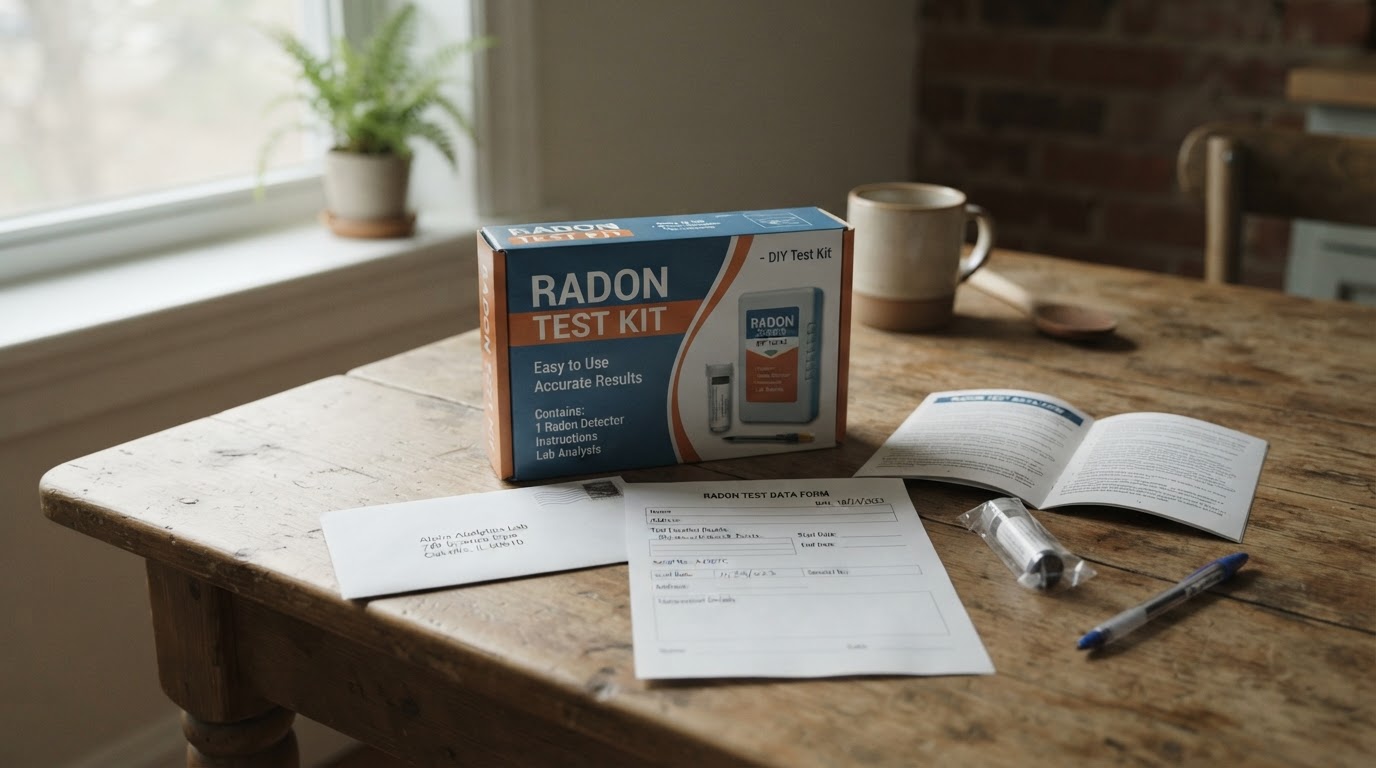
Before you even think about mitigation, you need a reliable test. Short-term tests are cheap and fast, you leave a charcoal canister or an electronic monitor in your lowest lived-in level for two to seven days. Long-term tests take 90 days or more and give a better average. I recommend starting with a short-term test. If the result is borderline or high, follow up with a long-term test. Most hardware stores sell kits, but I prefer using a professional tester who can also interpret the results with the local geology in mind.
A common mistake I see homeowners make is testing only once. Radon levels can change with seasons, weather, and renovations. If you seal cracks in your basement or add a sump pump, retest. The same goes if you finish a basement. Living spaces change, and so does the airflow. The goal is to keep your annual average below 4 pCi/L, and ideally as low as reasonably achievable.
How Mitigation Works
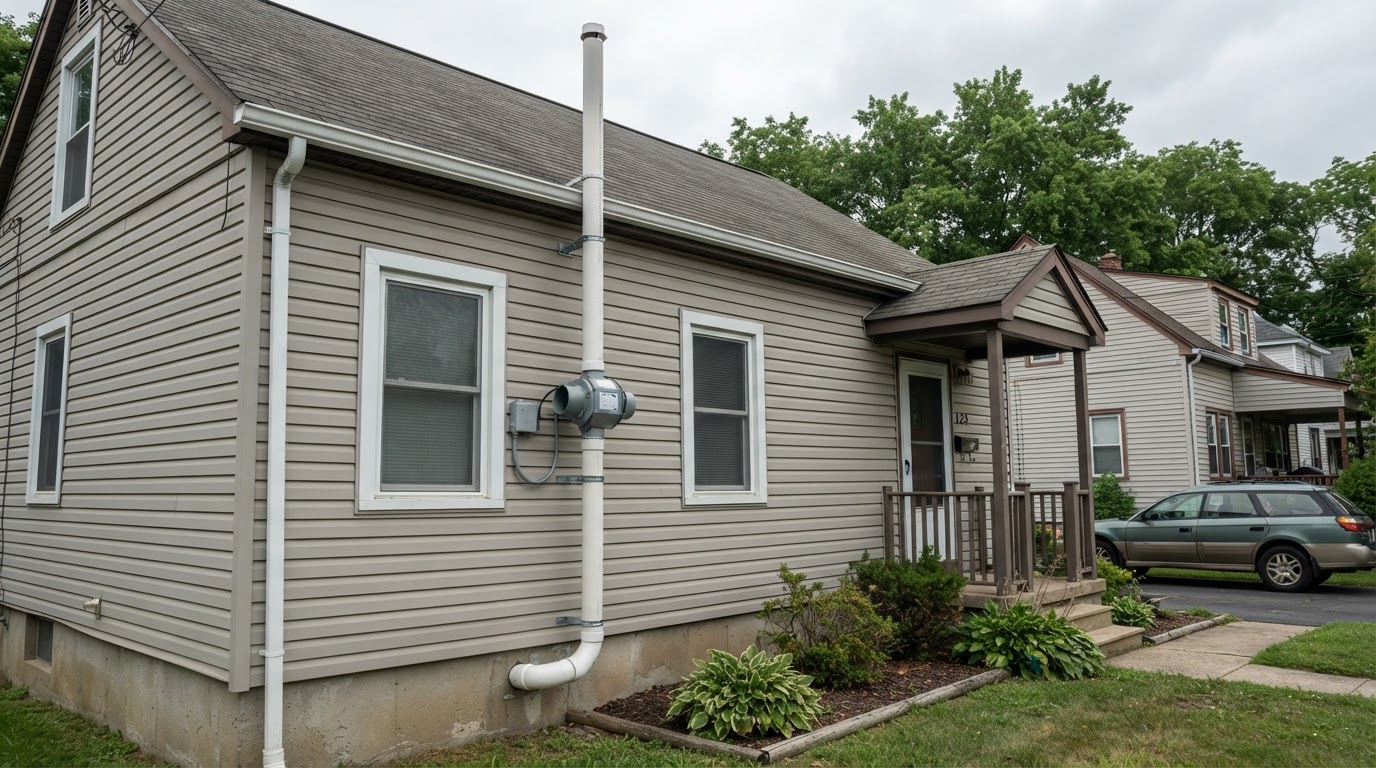
Mitigation is not a one-size-fits-all solution. The most common method for homes in York County is sub-slab depressurization. A contractor drills a small hole through the basement floor, pulls a pipe through the slab, and installs a fan that vents the radon-laden soil gas outside, above the roofline. It is like a vacuum cleaner for your foundation. The fan runs continuously, and the system usually includes a manometer, a little gauge that tells you it is working.
I have seen systems installed for as little as $800 and as much as $2,500, depending on the house. The cost depends on the foundation type, the number of slabs, and how easy it is to route the pipe. For crawl spaces, the approach differs. You might seal the crawl space floor and run a pipe through the wall. For homes with a sump pump, the pit itself can become a collection point. A good contractor will evaluate all of these factors before quoting a price.
One thing I learned the hard way: not all mitigation contractors are equal. Some will oversize the fan, which wastes energy and creates noise. Others might skip the manometer, so you never know if the system fails. That is why local experience matters. A contractor who has worked on a hundred homes in York knows the typical soil conditions and can spot trouble before it starts.
Hiring a Certified Contractor
Pennsylvania does not license radon mitigators, but that does not mean you should hire anyone. Look for someone who is certified by the National Radon Proficiency Program (NRPP) or the National Radon Safety Board (NRSB). These certifications require training and continuing education. They also mean the contractor follows EPA protocols. When I hired my guy, I asked for references and checked them. I also asked if they carry liability insurance and workers' comp. You would be surprised how many handymen skip that.
Another thing: get a written contract. It should specify the work, the guarantee, and the post-mitigation test. Most reputable contractors will include a follow-up test to confirm the system is working. If they do not, find someone who does. The phrase "York Radon Mitigation radon mitigation york pa" appears in many search results, but not every listing is a good fit. Take the time to call two or three companies and compare their approaches.
Cost Considerations and Value
Radon mitigation is not cheap, but it is far cheaper than the health risks. Lung cancer from radon exposure is the second leading cause of lung cancer in the U.S., after smoking. For the cost of a new appliance or a minor remodel, you can reduce your family's risk significantly. In York, PA, I have seen prices range from $1,200 to $2,800 for a typical sub-slab system. Crawl space systems can run higher because they need more sealing and labor.
Some homeowners worry about resale value. In my experience, a home with a working radon mitigation system is actually easier to sell. Buyers see it as a done deal. They do not have to wonder about the radon level or plan their own mitigation. If you have a system, keep the records and the manometer visible. Disclose it upfront, and it becomes a selling point rather than a red flag.
Practical Tips for York Homeowners
- Test every two years, even after mitigation. Systems can lose efficiency over time, or the soil around your house can shift.
- Keep the fan running 24/7. Turning it off for a season defeats the purpose.
- If you have a radon system, do not block the exhaust pipe. Keep snow, leaves, and debris away from the vent.
- Consider a radon-resistant new construction if you are building. It is much cheaper to install the piping before the slab is poured.
- Talk to your neighbors. If several homes in your area have high levels, you might negotiate a group discount with a contractor.
When to Call a Professional
If your test result is above 4 pCi/L, do not panic. You have time. But do not delay either. The EPA suggests fixing your home within a few months. The first step is to call a certified mitigator for an evaluation. They will look at your home's construction, test the soil around the foundation, and design a system. Do not try to DIY this. Radon mitigation involves creating a pressure differential under your slab, which is tricky to get right. A mistake can actually draw more radon into the house.
I remember a story from a friend in Springettsbury Township. He tried sealing his basement cracks and running a pipe out a window. It did nothing. The radon level actually went up because the pipe created a chimney effect. He ended up calling a pro who installed a proper system for $1,500. The post-mitigation test came back at 1.2 pCi/L. That was money well spent.
Another point: if you are selling your home, many buyers will ask for a radon test as part of the inspection. If it comes back high, the buyer may request a credit for mitigation. It is often smoother to have the system in place before listing. You can negotiate from a position of having already solved the problem.
Keeping Your System Healthy
Once the system is installed, it requires minimal maintenance. Check the manometer monthly to make sure the fan is running. If the gauge shows a different reading than usual, call the contractor. Fans typically last five to ten years and cost a few hundred dollars to replace. If the fan fails, your radon levels can rise again quickly. Some newer systems come with audible alarms or remote monitoring. I prefer a simple gauge because it is reliable and easy to read.
If you have a radon system, also keep your basement well ventilated when possible. Opening windows can help, but it is not a substitute for the fan. And if you remodel, let your mitigator know. Changes to the foundation or the HVAC system can affect how the radon system works.
Looking back, getting "York Radon Mitigation radon mitigation york pa" installed in my home was a straightforward process once I found the right contractor. It took one day of work, and the peace of mind has been worth every penny. If you live in York County and have not tested your home yet, do it this month. It is a small step that can make a big difference for your family's health.